Can Foreigners Own Property in Vietnam? A Complete Guide to Real Estate Ownership
Can Foreigners Own Real Estate in Vietnam?
Many people often ask: “Can foreigners buy land in Vietnam?”
The answer is Yes. While Vietnamese law prohibits foreigners from owning land outright, they can still invest in real estate built on leased land. Properties such as apartments or villas within licensed developments come with long-term land-lease agreements that typically extend for several decades, allowing foreigners to legally buy, use, and resell these assets.
What Types of Real Estate Can Foreigners Buy in Vietnam?
While foreigners are allowed to own real estate in Vietnam, certain restrictions apply regarding the type of property and the duration of ownership.
– Apartments:
Foreigners may purchase apartments in buildings that sit on long-term leased land, typically with ownership terms ranging from 50 to 70 years.
– Landed Properties (Houses, Villas):
Foreigners cannot directly own land in Vietnam. However, they may purchase the property itself through a long-term land lease, generally up to 70 years, with the possibility of negotiating extensions with the landowner.
– Industrial Real Estate:
Can foreigners purchase commercial or industrial properties in Vietnam? Yes, but with specific limitations. Foreign investors interested in Vietnam’s rapidly expanding industrial sector may buy industrial properties such as warehouses and factories. Similar to landed properties, foreigners do not own the land but may acquire the ownership of the buildings through land-lease agreements.
The Vietnamese government offers various incentives to attract foreign investment into industrial parks, making this a potentially profitable investment opportunity.
Restrictions for Foreigners When Purchasing Industrial Real Estate in Vietnam
Vietnam’s property ownership laws for foreigners include several important distinctions. While foreigners cannot directly own land, they may legally own buildings constructed on leased land.
– Land Use Rights – Individual Ownership:
Foreigners may purchase apartments in designated commercial housing projects and hold ownership for 50 years, with the possibility of renewal. Ownership is recorded on the Pink Book.
– Marriage Benefits:
Foreigners married to Vietnamese citizens gain permanent ownership rights, allowing them to own property just like Vietnamese nationals.
– Ownership Through a Company:
Foreign companies may own real estate as long as their investment project remains valid. The exact ownership duration will be stated in their official Investment Certificate.
– Purchase Limits for Foreign Buyers:
Foreigners may purchase up to:
- 30% of the units in a single condominium building.
- 10% of the houses in a landed residential project.
- A maximum of 250 landed houses within an area equivalent to one administrative ward.
In restricted zones where foreign ownership quotas have been reached, foreigners inheriting a property cannot directly receive ownership. Instead, they may receive the monetary value equivalent to the inherited property.
Foreign-owned real estate is tied to a 50-year land lease term. Renewal applications may be submitted three months before expiration, during which owners may sell or transfer the property by will. If renewal is not granted and the property is not sold before the deadline, ownership will be transferred to the State.

How Can Foreigners Buy Real Estate in Vietnam?
Foreigners are allowed to purchase real estate in Vietnam, which is positive news—however, certain considerations must be kept in mind. The following section provides a deeper look into the buying process.
Key Factors to Consider When Buying Industrial Real Estate in Vietnam
+ Location and Accessibility:
Proximity to major transportation infrastructure is crucial. Ideal locations are near highways, seaports, or airports to ensure efficient movement of goods and materials. Additionally, access to a skilled labor force is essential. Being near technical universities or established industrial zones helps secure the workforce needed for manufacturing operations.
+ Legal Procedures and Documentation:
Vietnam requires foreign investors or enterprises leasing land for commercial, service, or investment projects to complete specific procedures. These include submitting an official land-lease application, obtaining an Investment Registration Certificate, signing a land-lease agreement, and making the required deposit.
+ Operating and Maintenance Costs:
Beyond the initial purchase price, foreign investors must consider ongoing operational and maintenance costs, such as property taxes, waste-treatment fees, security services, utilities, and building maintenance or renovations required to meet industrial production needs.
The Process of Buying Industrial Real Estate in Vietnam
+ Property Search and Selection:
Foreign buyers should begin with thorough market research—identifying locations based on connectivity to transport routes, raw materials, and essential utilities. It is also critical to evaluate whether the property meets development goals and complies with zoning regulations.
+ Negotiating with the Developer:
Once a suitable property is found, negotiations with the developer begin. Investors must carefully review the Sales and Purchase Agreement (SPA), ensuring that obligations, warranties, and commitments from the developer are clearly defined.
+ Contract Notarization:
After finalizing the SPA, both parties must visit a Vietnamese notary office for official notarization. This step validates the legal enforceability of the contract. A translator is typically required to ensure the foreign buyer fully understands all terms included in the agreement.
Conclusion
We hope this article has answered the question: “Can foreigners own real estate in Vietnam?”
Vietnam’s real estate market continues to offer exciting opportunities for foreign investors. As discussed, foreigners can legally purchase property in Vietnam under clear regulations that ensure a smooth and transparent transaction process.
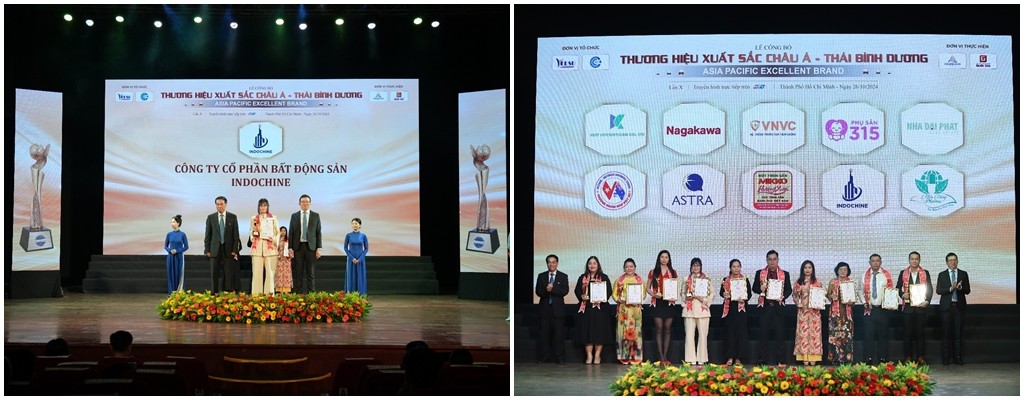
For clients seeking deeper insights into Vietnam’s complex property laws—especially in the industrial sector—Indochine Real Estate, with a multilingual advisory team (English, Chinese, Korean, Japanese), is always ready to assist. Contact us today to discuss your specific requirements and unlock the full potential of investing in Vietnamese real estate.
Frequently Asked Questions (FAQs)
How long can foreigners own property in Vietnam?
Foreigners can hold property ownership for up to 50 years from the issuance date of the ownership certificate.
Can the 50-year ownership term be extended?
Yes. Although the initial term is 50 years, foreigners may apply for an extension when the land-lease period expires.
Can foreigners sell property in Vietnam?
Yes. Foreign property owners may legally sell to eligible international buyers or to Vietnamese buyers (who may then receive long-term ownership if the property is classified as long-term).

Tin xem nhiều
 02/01/2026
Sun Group proposes a land swap of 360 hectares in exchange for constructing the Rach Chiec Sports Complex.
Chính chủ cần chuyển nhượng gấp căn 2 ngủ diện tích thông thủy 78m2 full đồ, khách mua chỉ cần dọn quần áo đến có thể ở ngay
INDOCHINE ACHIEVES MAJOR SUCCESS AT THE HAPPY ONE MORI PROJECT AS THE NORTHERN MASTER DISTRIBUTOR
Detailed overview of 12 metro lines with a total over 600 km, connecting the major urban areas of Ho Chi Minh City.
INDOCHINE Proudly Appointed as Master Distributor for The Win City – High-Rise Mixed-Use Development in Western Saigon
Indochine is proud to be the master distributor of the Happy One Mori project.
Indochine partners with the developer to introduce La Pura to the international market.
The Global City – Urban Township in District 2
Real Estate Market Along National Highway 13 Sees Strong Growth… A Golden Opportunity for Foreign Investors
Vietnam Rental Yield: Ho Chi Minh City
INDOCHINE Ready to “Ride the Waves” at THE MERIDIAN Da Nang Launch Event — “The Maiden Voyage”


